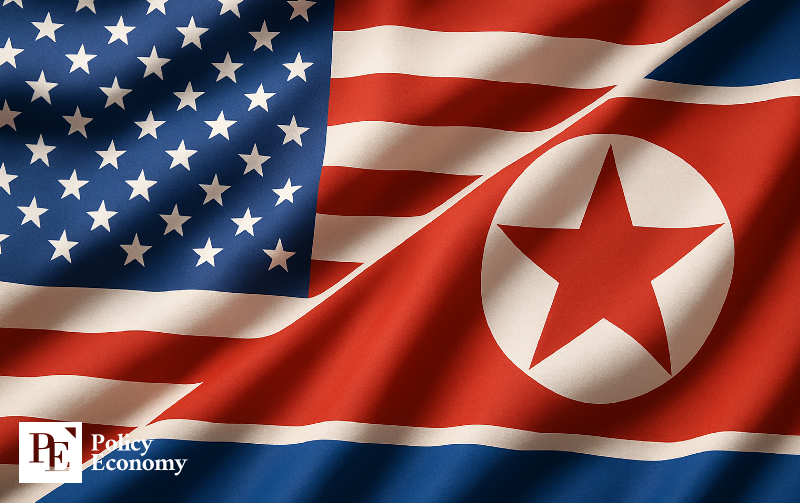
The Curious Omission: Why Basic US Descriptors Sidestep North Korea Dialogue
When one seeks a foundational understanding of the United States, be it through a simple encyclopedia, a prominent online resource, or even an academic overview, certain elements are consistently present. These typically include the nation's geographical expanse, its demographic makeup, governmental structure, foundational history, and core symbols like its flag and motto. Such basic descriptors serve as a crucial entry point for students, researchers, and the general public alike, providing a broad framework for comprehension. However, a closer examination of these foundational texts reveals a curious, yet consistent, absence: detailed information regarding *us north korea dialogue*.
The reference contexts provided for this article illustrate this point precisely. Whether consulting a "Simple English Wikipedia" entry, a "Britannica" overview, or the main "Wikipedia" page for the United States, the focus remains on internal characteristics or broad historical strokes. There's no mention of the complex, often fraught, diplomatic interactions between the US and North Korea. This isn't merely an oversight in a single source but a pattern across various general descriptors. The question then arises: why is such a significant and long-standing aspect of US foreign policy notably absent from its most basic definitions? Is it a matter of scope, complexity, or a deliberate prioritization of information in introductory texts? This consistent omission invites a deeper analysis into how we define and understand a nation's identity through its widely accessible informational portals.
Deciphering the Silence: What the Absence Implies for Understanding US Foreign Policy
The conspicuous absence of *us north korea dialogue* from basic descriptions of the United States carries several implications for how we understand the nation's foreign policy and its global posture. First, it suggests a prioritization of stable, broadly accepted facts over fluid, often contentious, diplomatic processes. General overviews aim for universality and longevity; specific dialogues, especially those with frequently shifting dynamics and outcomes, might be deemed too transient or specialized for inclusion in a fundamental profile. These foundational texts strive to define "what the US *is*," rather than "what the US *is currently doing* in a specific foreign policy arena."
Furthermore, the complexity of US-North Korea relations—involving nuclear proliferation, sanctions, human rights, and varying approaches across multiple presidential administrations—makes it challenging to summarize concisely without oversimplification or bias. For an encyclopedic entry aiming for neutrality and brevity, omitting such a multifaceted issue might be seen as a practical choice. However, this practicality comes at a cost. It can inadvertently create an informational gap, leaving readers unaware of the historical depth and ongoing significance of this particular engagement. Without even a passing reference or a signpost towards more detailed information, the general public might underestimate the enduring challenge that North Korea presents to US national security and global stability. This silence, therefore, isn't just about what's left unsaid; it's about shaping a particular narrative of American identity that perhaps downplays ongoing diplomatic struggles in favor of a more settled, internal focus.
Navigating Information Gaps: Where to Find Comprehensive Insights on US-North Korea Relations
Given the evident information gap in basic US descriptors regarding *us north korea dialogue*, individuals seeking a comprehensive understanding must look beyond general encyclopedic entries. The initial search for "United States" will provide a sturdy domestic framework, but for nuanced international relations, a more targeted approach is essential. This is where specialized resources become invaluable.
To gain truly in-depth insights into the history, progress, and challenges of US-North Korea diplomacy, consider the following avenues:
*
Academic Journals and Think Tanks: Institutions like the Council on Foreign Relations (CFR), the Center for Strategic and International Studies (CSIS), the Stimson Center, and the Brookings Institution regularly publish detailed analyses, policy briefs, and scholarly articles specifically focused on Korean peninsula affairs and US foreign policy. These sources often feature expert opinions and historical context that is unparalleled.
*
Government Reports and Archives: The US Department of State publishes official records, press releases, and historical documents detailing diplomatic engagements. The Congressional Research Service (CRS) also produces non-partisan reports for Congress, many of which are publicly accessible and offer excellent summaries of complex issues.
*
Specialized News Outlets: Reputable news organizations with dedicated foreign policy desks or specific correspondents covering East Asia provide ongoing reporting and analysis. Look for outlets known for their international coverage depth, which often go beyond daily headlines to offer context and historical perspective.
*
University Programs and Research Centers: Many universities host centers dedicated to East Asian studies or international relations, frequently publishing research and hosting seminars on US-North Korea issues.
For further exploration into why general US overviews might lack such specific foreign policy content, consider checking out
General US Overviews Lack North Korea Dialogue Content. Additionally, our analysis on the specific context of these omissions can be found in
US Context: No North Korea Dialogue Details Found. These resources will help bridge the knowledge divide, guiding you towards a more complete picture of this critical diplomatic relationship.
The Broader Implications: How This Affects Public Perception and Policy Understanding
The consistent omission of *us north korea dialogue* from fundamental descriptions of the United States has significant broader implications, particularly concerning public perception and the overall understanding of US foreign policy. When citizens primarily rely on introductory, broad-stroke summaries for their knowledge base, the absence of key geopolitical issues like this can lead to several challenges.
Firstly, it can foster an incomplete or even distorted view of American global engagement. If a major, decades-long diplomatic challenge that has involved multiple US administrations (from the Agreed Framework under Clinton to the high-profile summits under Trump) isn't even mentioned in basic overviews, the public might inadvertently downplay its historical significance or current relevance. This could lead to a lack of awareness regarding the ongoing threats posed by nuclear proliferation or the complexities of regional stability in East Asia, issues central to US national security interests.
Secondly, it can contribute to a citizenry that is less informed about the nuances of international relations. Understanding the challenges and successes of *us north korea dialogue* requires grasping complex concepts such as multilateral sanctions, humanitarian aid, strategic deterrence, and the role of various international actors. Without an initial nudge from general information sources, many might not even realize these intricate dynamics are part of America's ongoing diplomatic work. This can, in turn, affect public discourse, voting patterns, and support (or lack thereof) for particular foreign policy initiatives. A well-informed populace is crucial for democratic accountability, and if foundational texts are silent on critical international challenges, it creates a formidable barrier to achieving that goal.
Bridging the Knowledge Divide: Strategies for a More Holistic View of US International Affairs
Recognizing the limitations of basic US descriptors regarding *us north korea dialogue* necessitates a proactive approach to bridging the knowledge divide. This is not merely about criticizing existing informational paradigms but about developing strategies for a more holistic and nuanced understanding of US international affairs.
Here are some practical tips and actionable advice:
- Cultivate Critical Information Literacy: Always question the scope and depth of any information source. Understand that a "basic" overview is by definition limited and should serve as a starting point, not an endpoint, for complex topics like US foreign policy.
- Diversify Your News and Information Sources: Do not rely solely on mainstream news or general encyclopedias. Actively seek out specialized journals, government reports, academic analyses, and diverse journalistic perspectives. Follow experts on international relations and specific regional studies.
- Prioritize Context and History: When encountering a topic like *us north korea dialogue*, make an effort to understand its historical trajectory. Diplomacy rarely occurs in a vacuum; past agreements, failures, and shifts in policy provide crucial context for current events.
- Engage with Educational Content: Utilize documentaries, podcasts, university lectures (many are available online), and non-fiction books that delve into specific foreign policy challenges. These mediums often provide a narrative depth that basic texts cannot.
- For Educators and Content Creators: While maintaining brevity in basic descriptors, consider adding a brief section on "Key Foreign Policy Engagements" or "Ongoing Diplomatic Challenges" with clear signposts and links to more detailed information. Even a single sentence acknowledging the complexity of relations with nations like North Korea can prompt further inquiry.
- Understand the "Why" Behind Omissions: Reflect on why certain topics might be excluded from general texts. Is it complexity, sensitivity, transience, or a deliberate editorial choice? Understanding the rationale can sharpen your own critical assessment.
By consciously adopting these strategies, individuals can move beyond the surface-level understanding offered by basic descriptors and develop a truly comprehensive and informed perspective on the multifaceted reality of US international relations, including the critical and often overlooked dynamics of *us north korea dialogue*.
Conclusion
The examination of basic US descriptors reveals a consistent and thought-provoking absence of detailed information regarding *us north korea dialogue*. While these foundational texts excel at presenting a core identity of the United States through its geography, demographics, and governmental structure, they often sidestep the intricate and evolving landscape of its foreign policy, particularly concerning complex and enduring challenges like relations with North Korea. This omission is not necessarily a flaw in the descriptors themselves, which serve a valid purpose of providing broad overviews, but rather a crucial indicator of where deeper engagement with information is required.
The silence on this significant diplomatic front underscores the need for individuals to cultivate critical information literacy, actively seek out specialized sources, and embrace a multidisciplinary approach to understanding international affairs. By venturing beyond the immediate and the obvious, and by recognizing that foundational texts offer only a starting point, we can bridge the knowledge divide. A comprehensive understanding of US foreign policy, including the nuanced history and ongoing complexities of *us north korea dialogue*, is vital for informed citizenship and a truly global perspective. It is in the deliberate pursuit of this deeper knowledge that we can fully grasp the intricate tapestry of American engagement with the world.